
A Strange and Fascinating Water World

Note from Grace Simpkins, O-STEAM Fellowship program director: During our weeklong O-STEAM Powered Fellowship, we ask the students to keep a journal. Their journals represent their own way of capturing their experiences and interactions, documenting their growing science knowledge, and drawing connections in ways that makes sense to them. Through journaling, the fellows take time to reflect, remember highlight moments from the day and how they felt about them, track their personal journey, and ultimately develop a resource for communicating and sharing their STEAM journey with others.
By Athvika Varma, 2025 O-STEAM Fellow
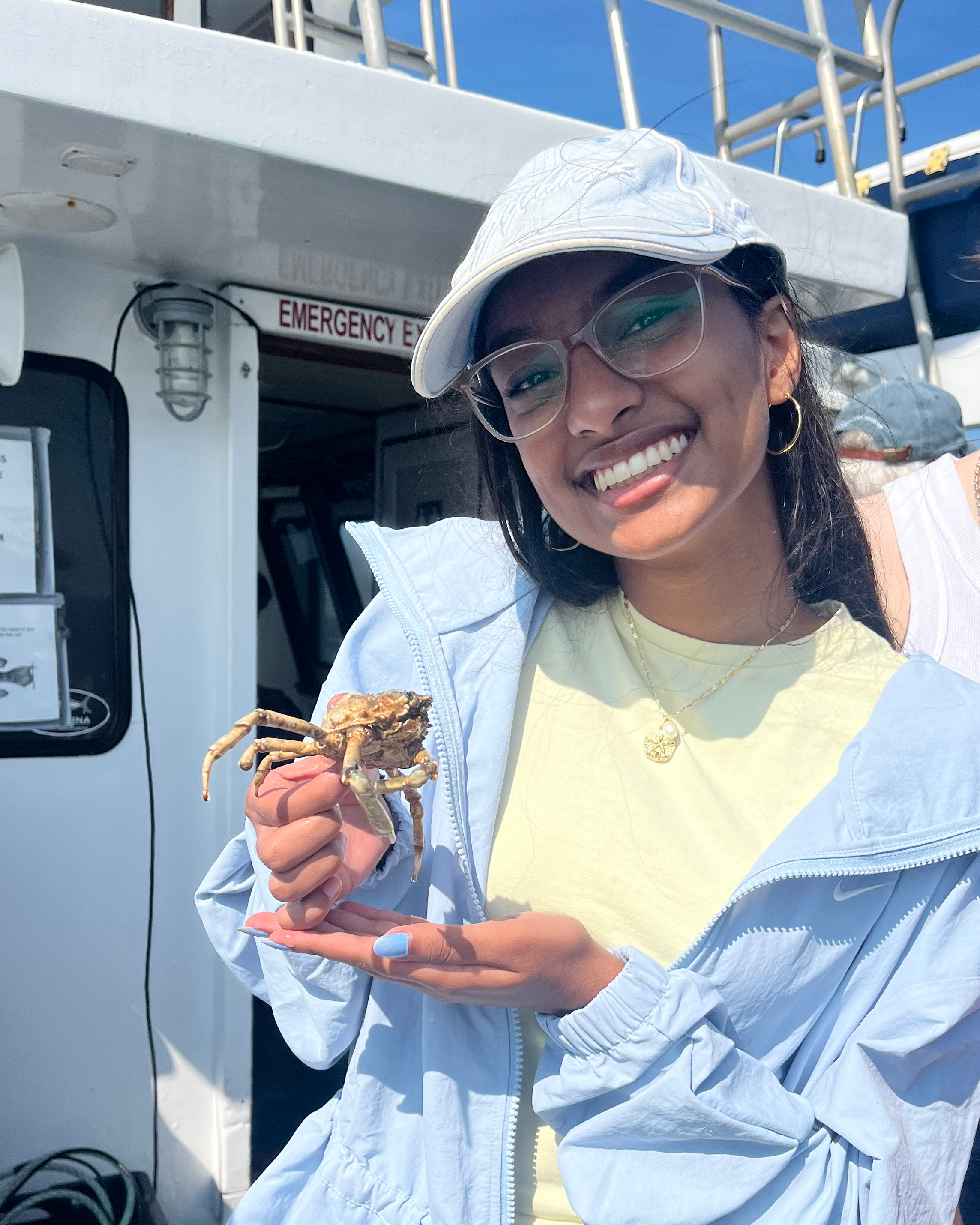
Athvika Varma was a 2025 O-STEAM Fellow.
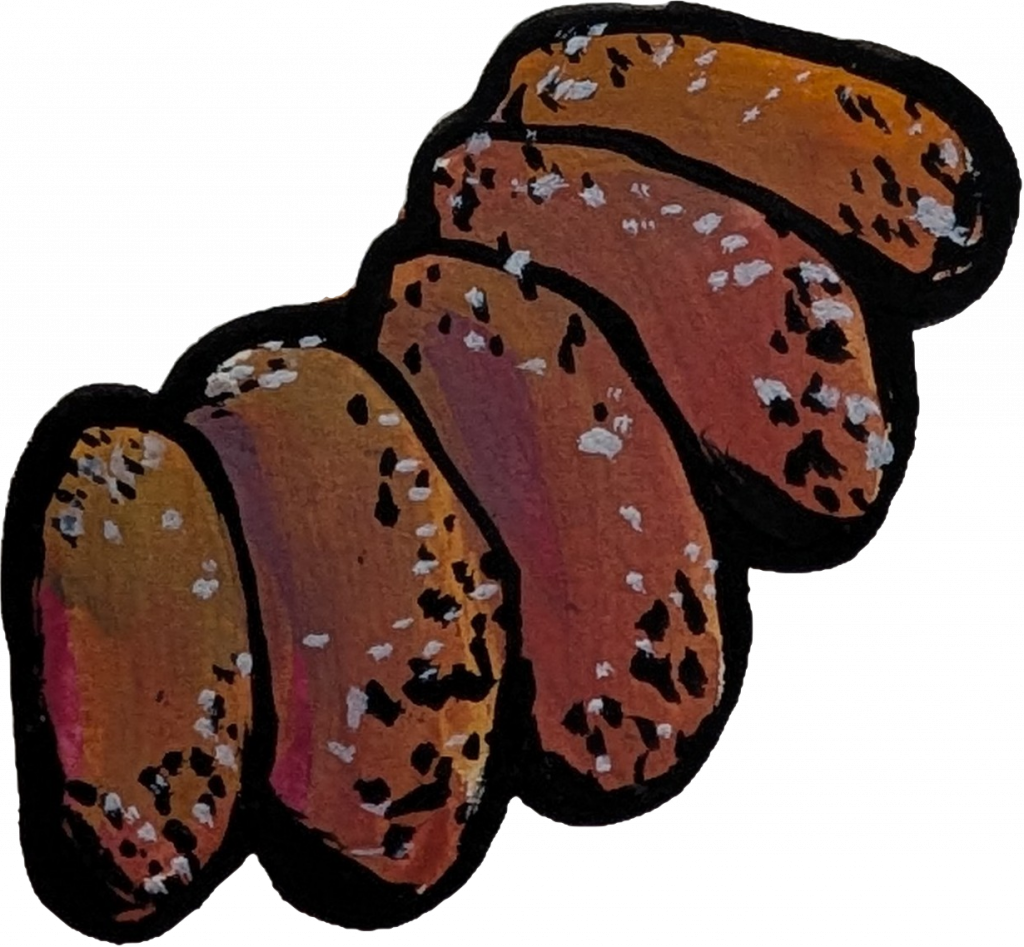
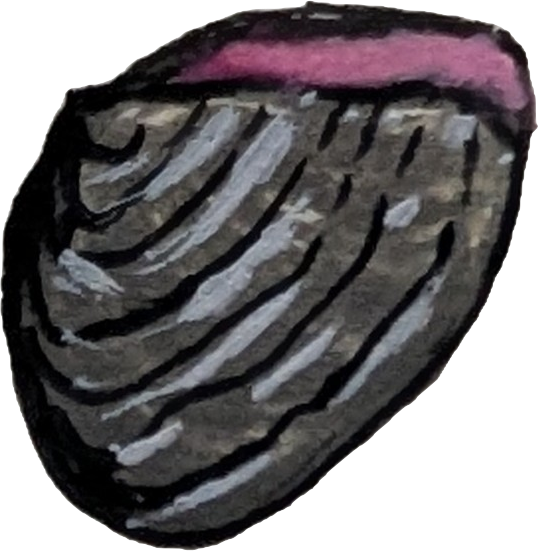
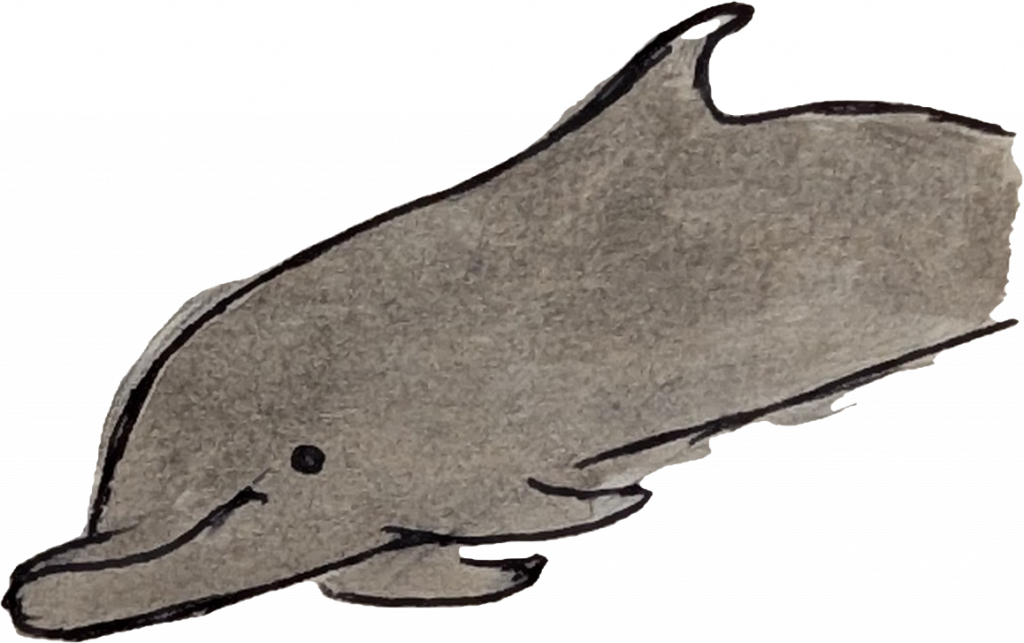
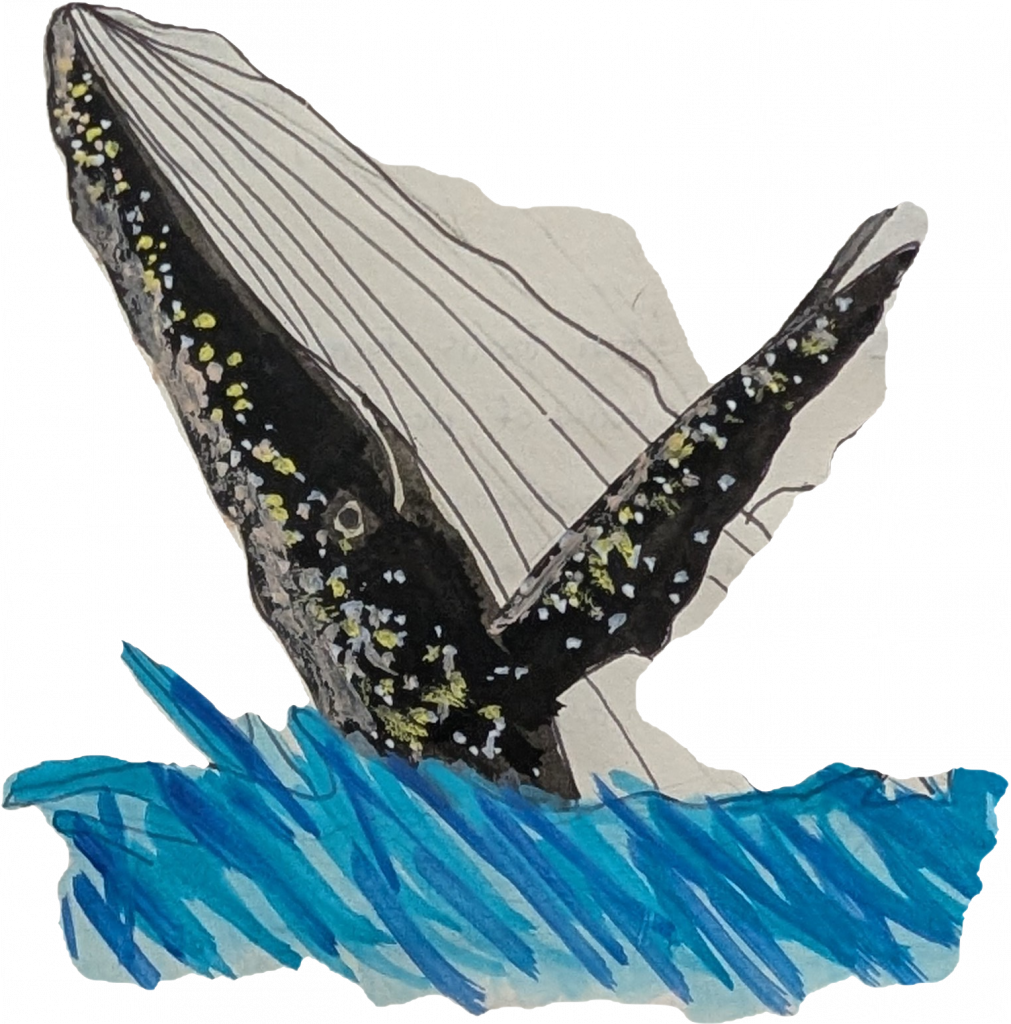
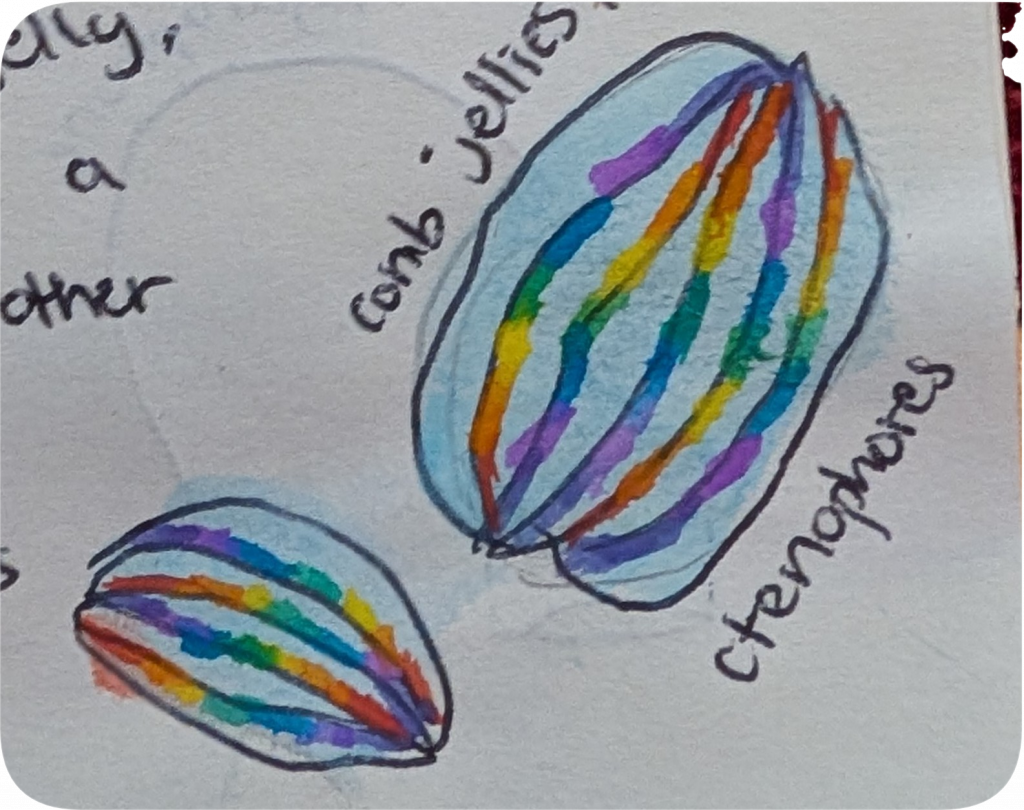
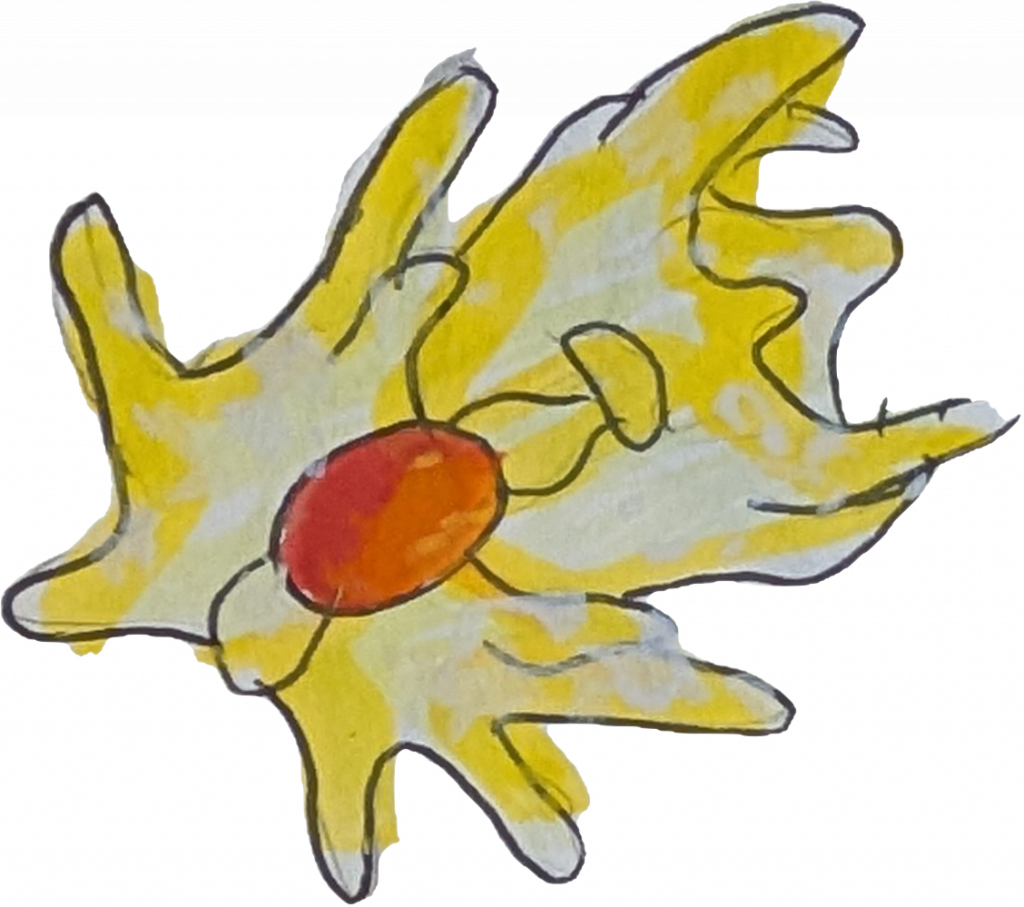
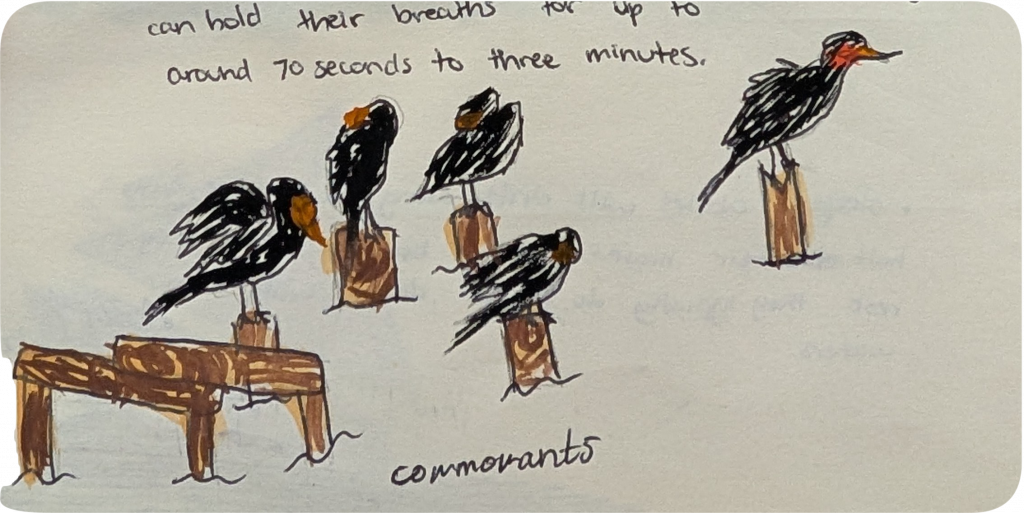
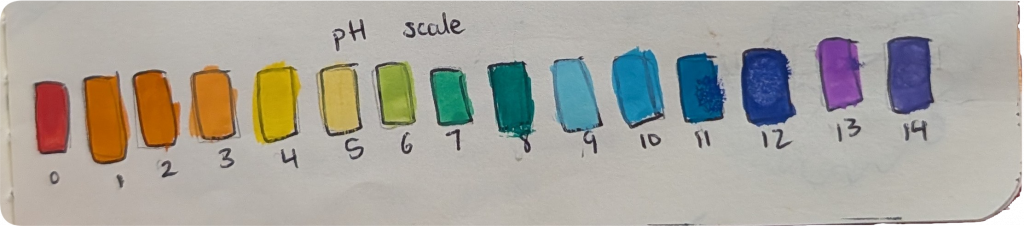
I documented my O-STEAM experiences in a journal in a somewhat unique format. I jotted down things I had learned and accompanied them with many doodle-style watercolor paintings. Painting helps me learn and remember information more easily and quickly. My paintings were inspired by a combination of my love for the ocean, my love for art, and the incredible experiences I had during the O-STEAM fellowship.
Combining creativity with science is what made the fellowship unique and meaningful to me. It is my dream to study and protect the ocean a marine biologist, yet art has always been a part of my life and who I am. Through my painting, I hope to reach a wider audience, allowing more people to view these creatures as beautiful and in need of protection, and to view the environmental issues that threaten them as personal, devastating, and in need of action. I hope you all enjoy my art as much as I do.
The ocean is full of strange, fascinating, and sometimes surprising science. Its distinctive creatures and intricate ecosystems are some of the many things that make the marine world so incredible.
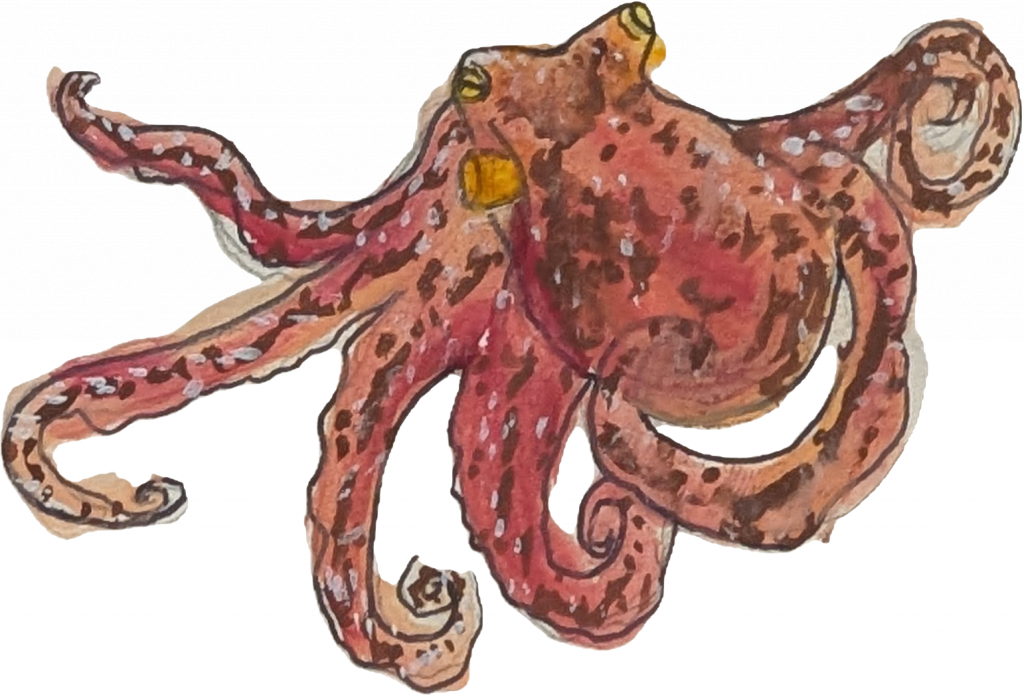
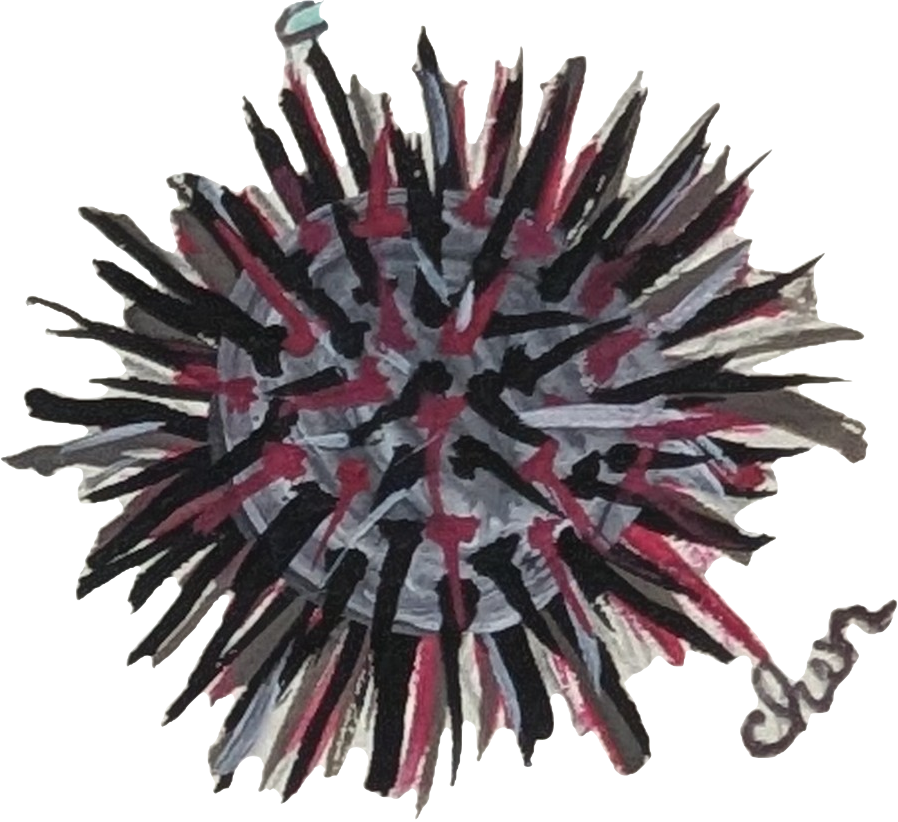
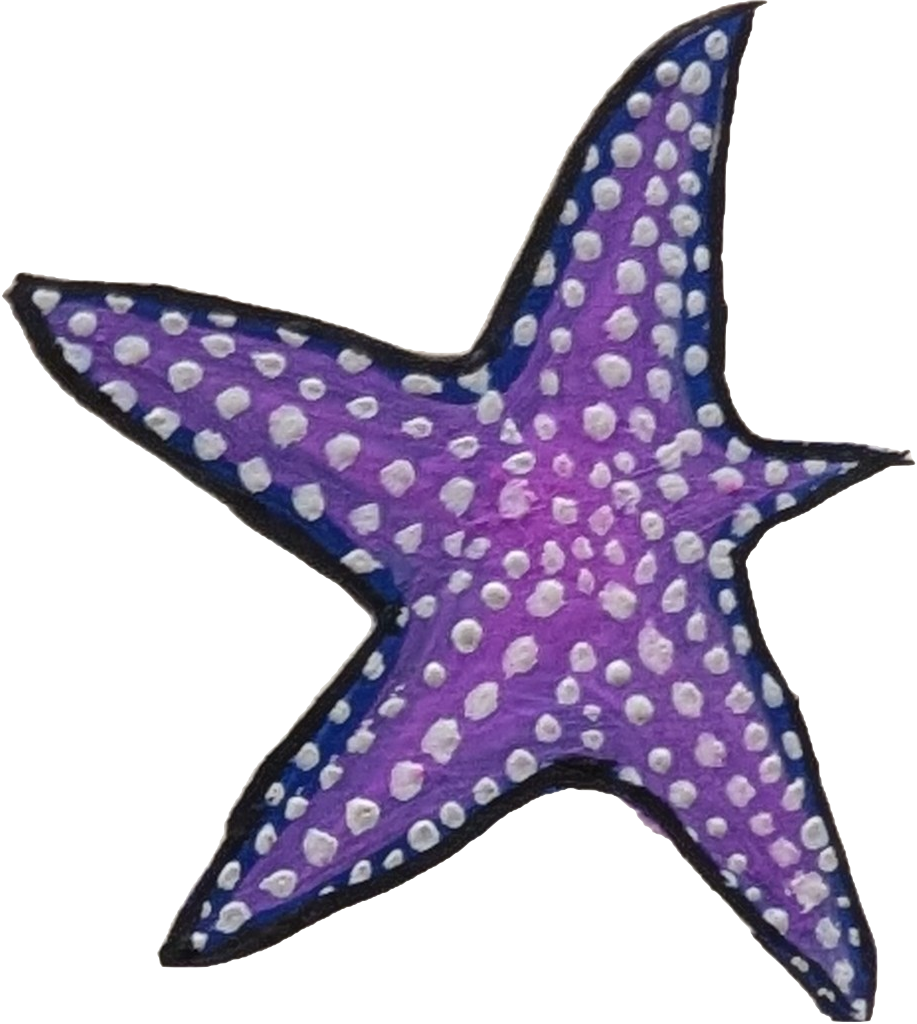
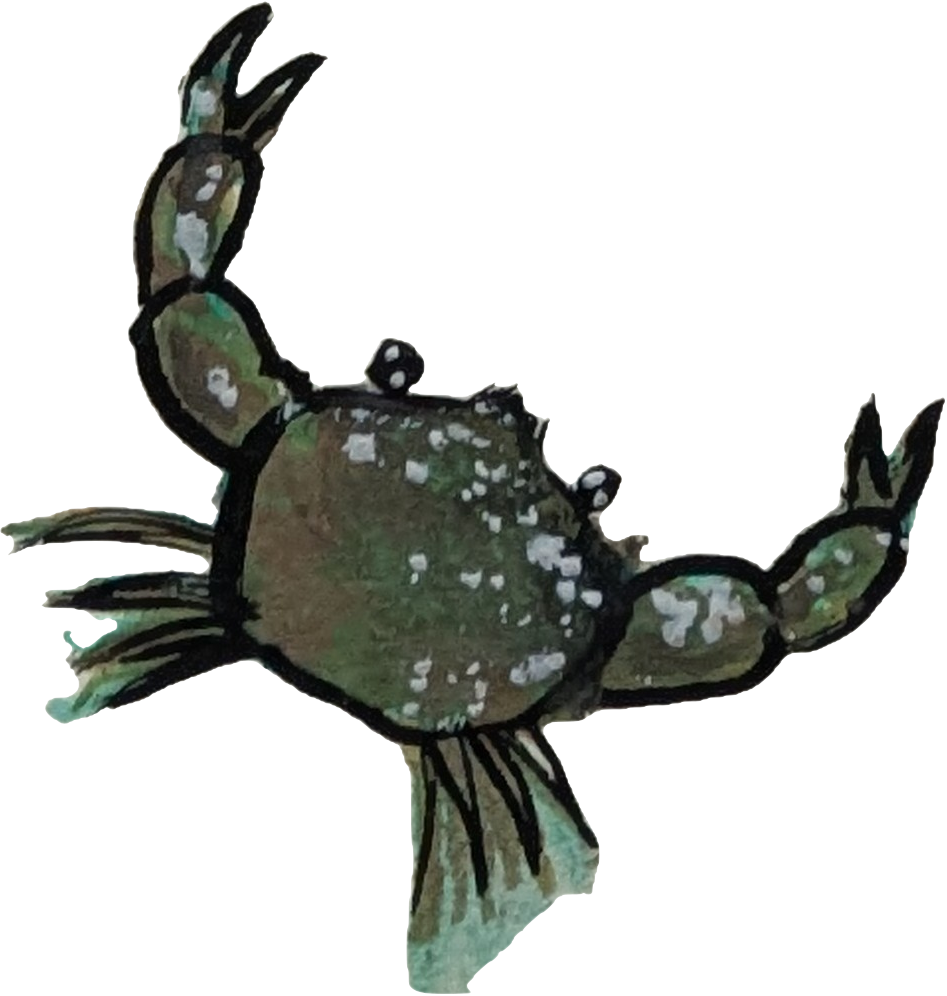
Crustaceans wear their skeletons on the outside (exoskeleton). They have segmented bodies, jointed legs, and not one but two pairs of antennae!
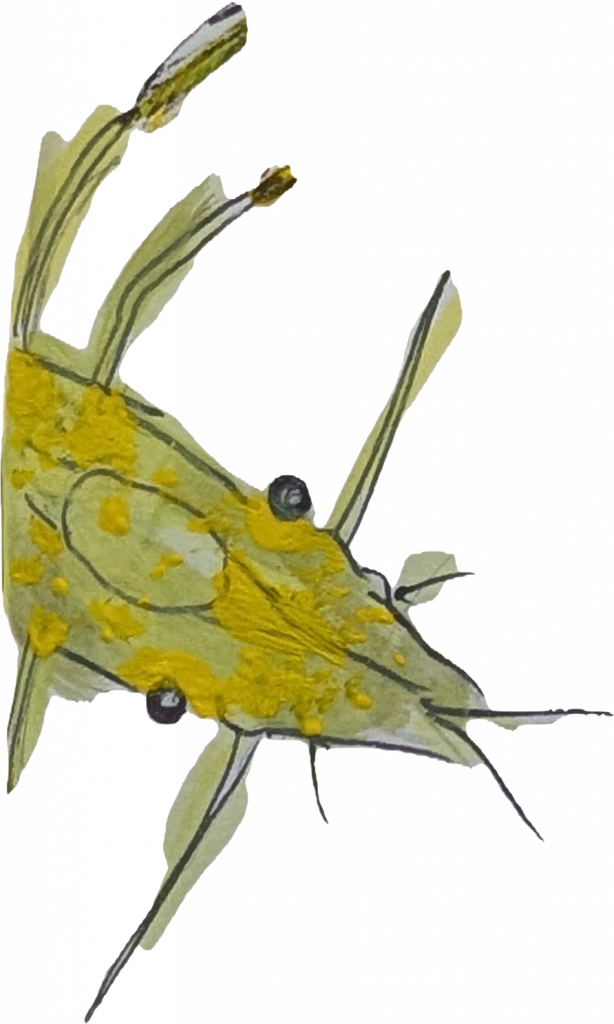
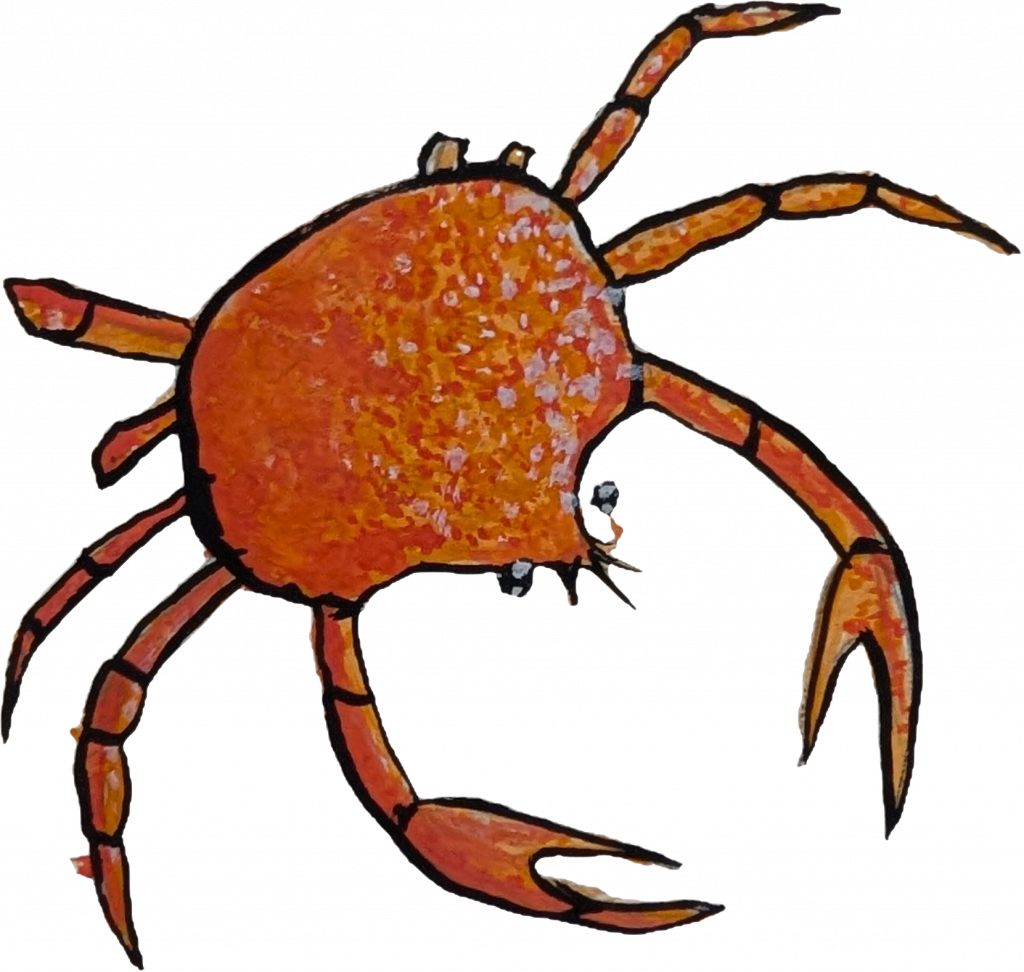
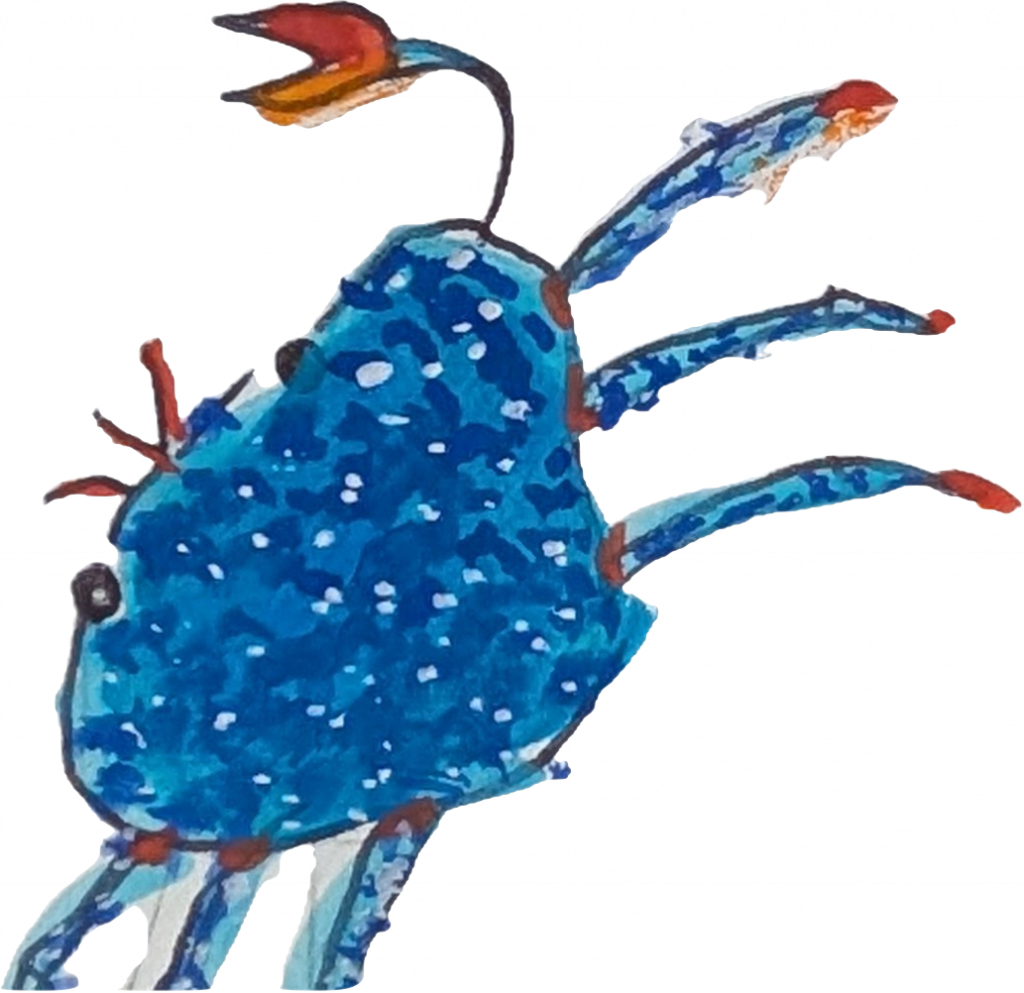
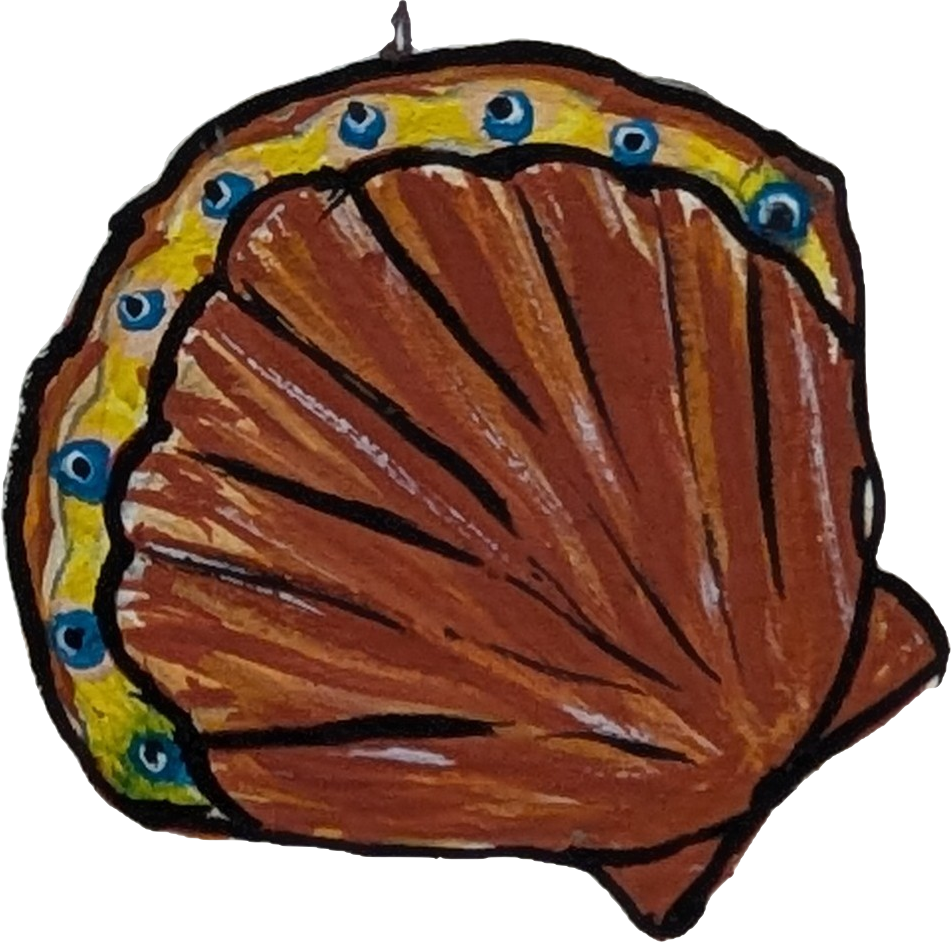
Mollusks are incredibly diverse and have unique "superpowers." They share basic features like a soft body and a muscular "foot." Their evolutionary adaptations are endlessly captivating.
Marine mammals communicate with sound to find mates, establish territory, maintain social groups, and identify individuals—especially for mothers and their young. Noise pollution in the ocean can disrupt communication, cause injury, and alter behavior in marine mammals.
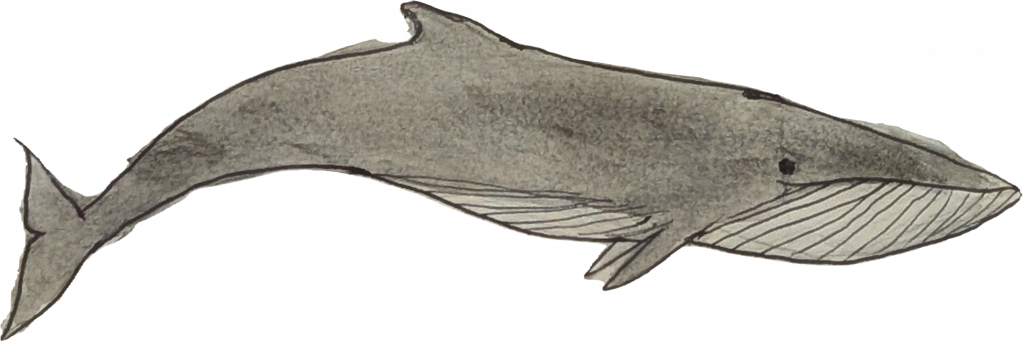
The ocean holds the secrets of the Earth's past.
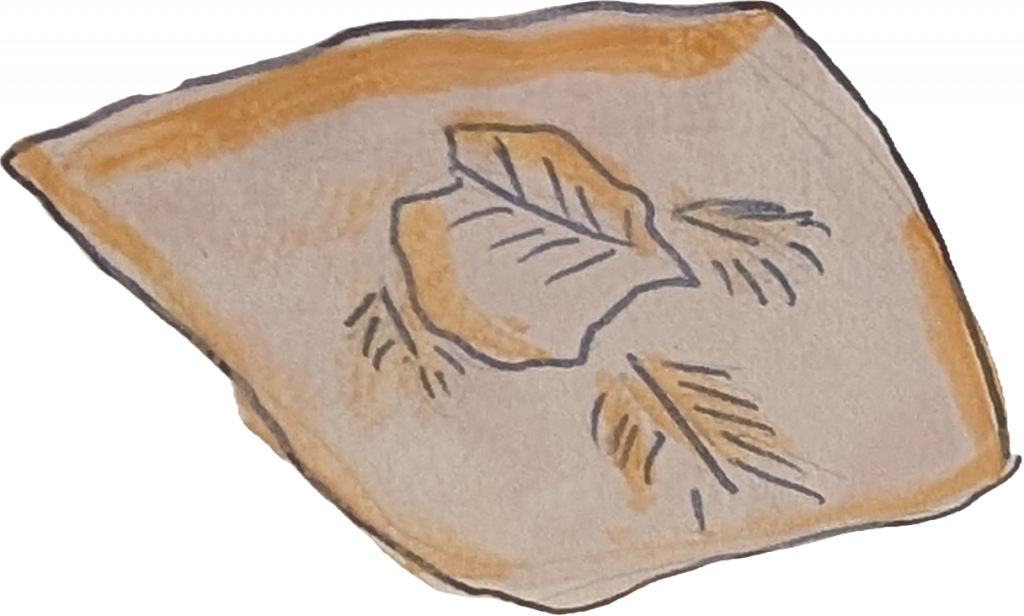
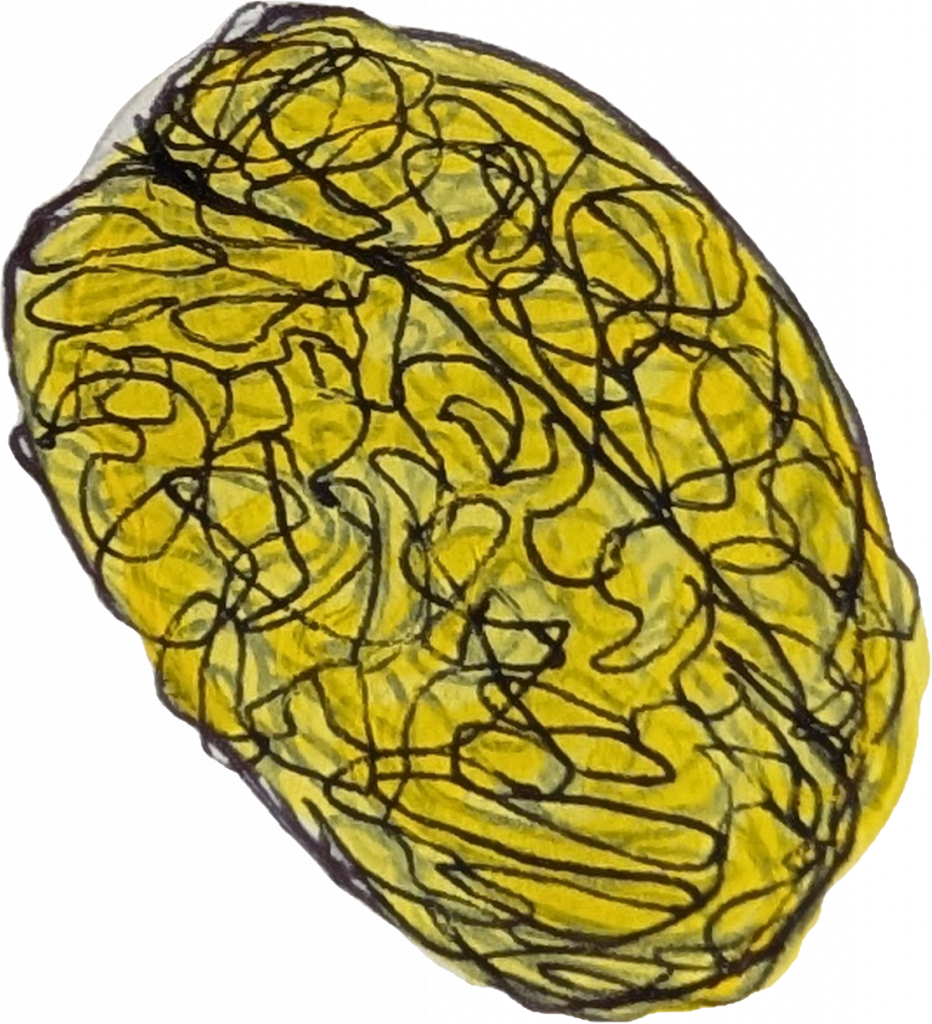

Ocean ecosystems are complex and captivating. Learning about it firsthand makes these facts even more meaningful.
Opportunities like the WHOI O-STEAM Fellowship allow students to explore these ideas beyond the classroom—through real research, fieldwork, and discovery—and provide them with a strong, unique community of lifelong friends and mentors. As someone who was able to participate in this incredible program, I am forever grateful for this opportunity and the unforgettable memories that accompany it. - A.V.