Waste to Watershed: How contaminants of emerging concern impact mussels
Principal Investigators
Jared Goldston, Woods Hole Oceanographic Institution
Helen Poynton, University of Massachusetts Boston
Project Description
When toilets are flushed, sinks used, and washers run in many Cape Cod homes, the outflow goes to a septic tank – an onsite wastewater disposal system – buried near the house. The tank holds solids, but allows liquids to percolate through to a leaching field before reaching groundwater. Because Cape Cod’s sandy soils allow groundwater to flow readily toward bays and estuaries, what enters the ground from septic systems can eventually reach the ocean.
While traditional septic systems do an excellent job of maintaining public health by filtering out bacteria before they reach the groundwater, these designs do not prevent nutrients and other compounds from household products from entering the local watershed. Toiletries, medications, cleaning products, and other chemicals people use today introduce a myriad of contaminants into the groundwater that may reach and impact coastal waterways and ecosystems. Some of these contaminants of emerging concern (“CECs”) can disrupt the hormones that help fish and other aquatic animals grow and reproduce, making them potentially harmful to aquatic life.
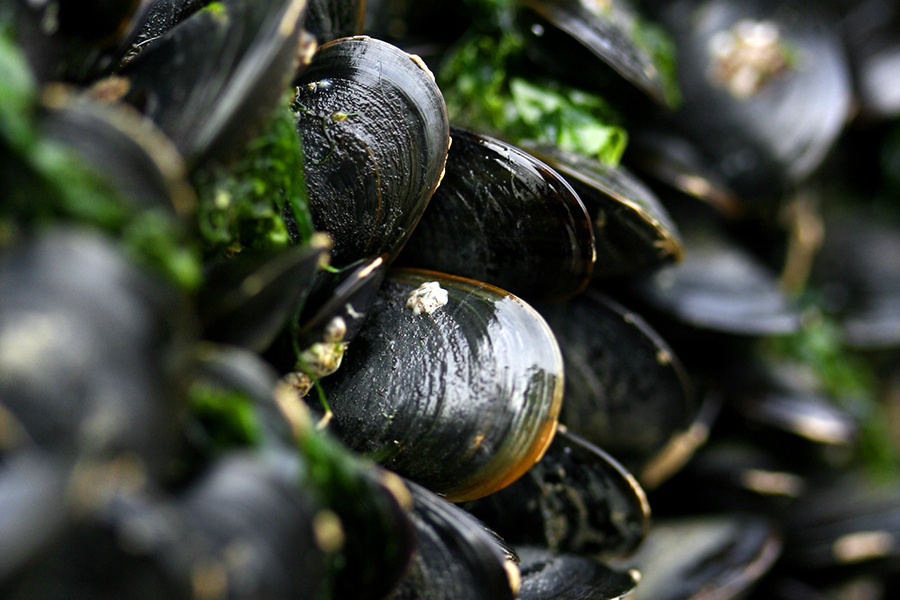
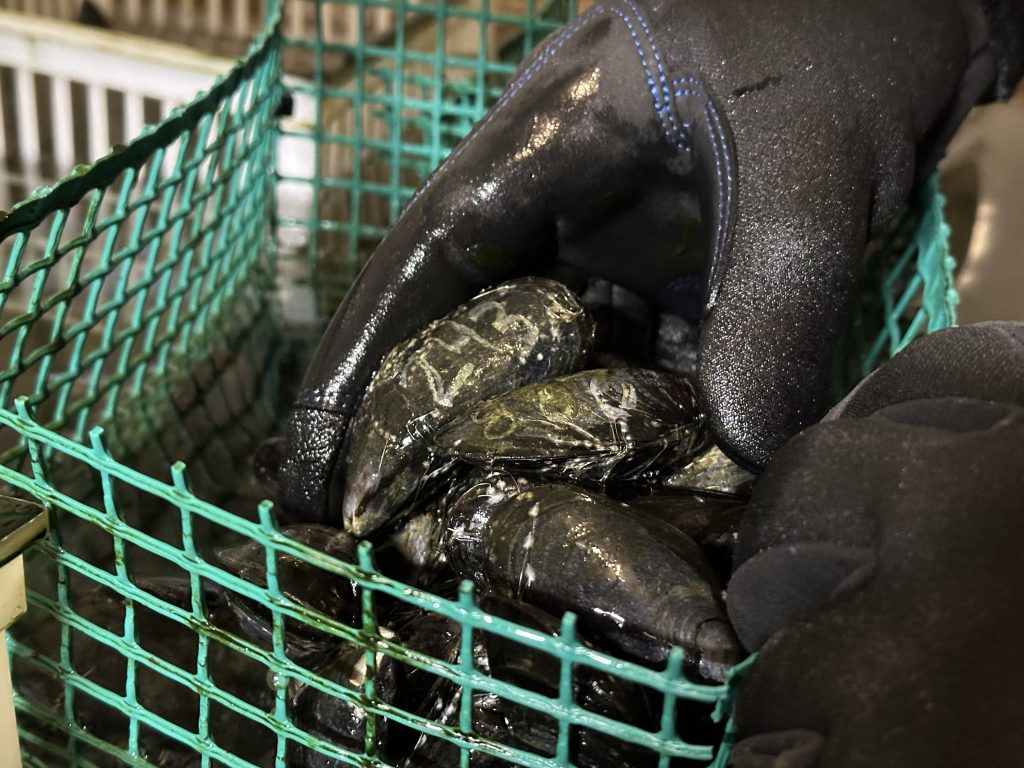
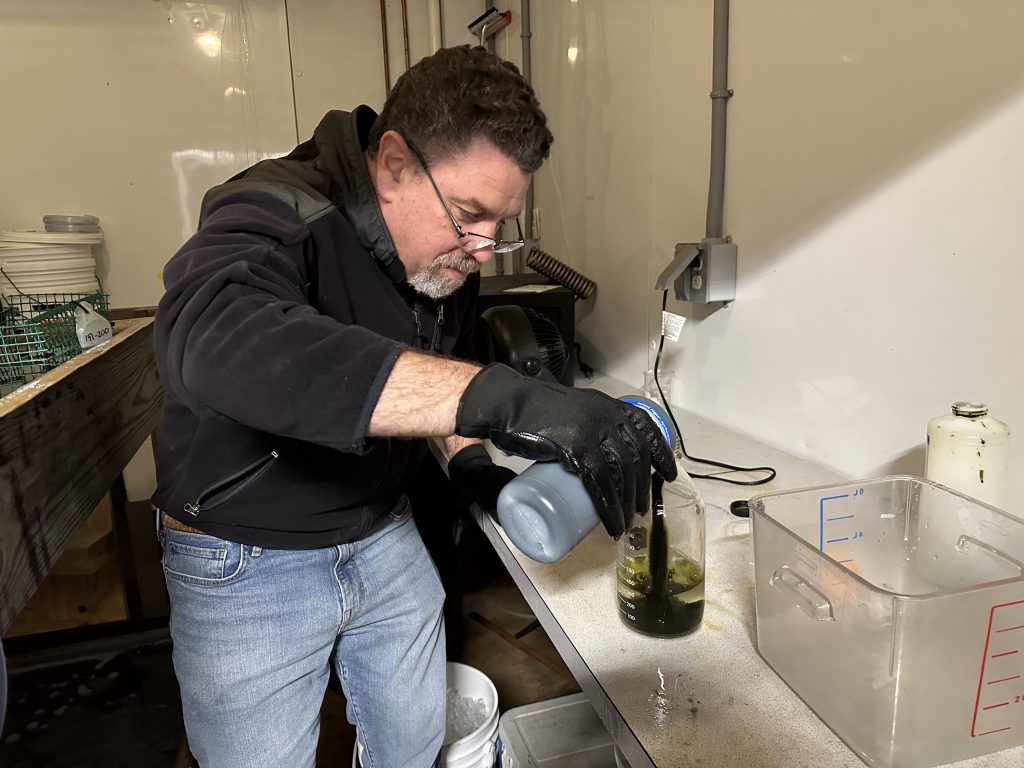
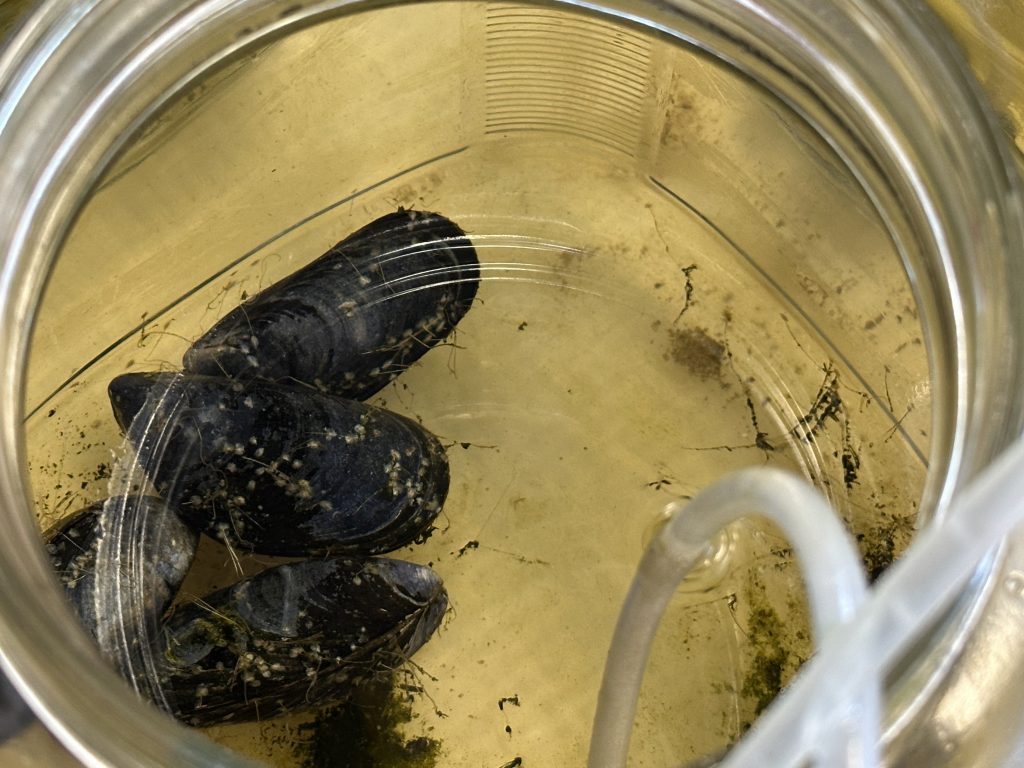
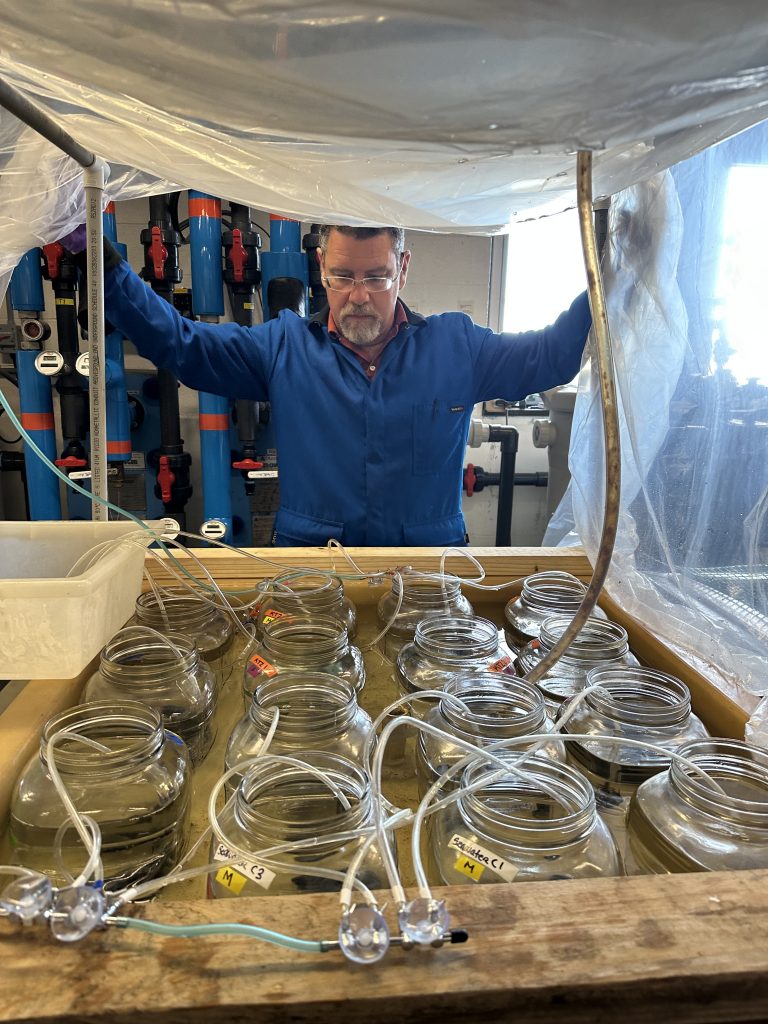
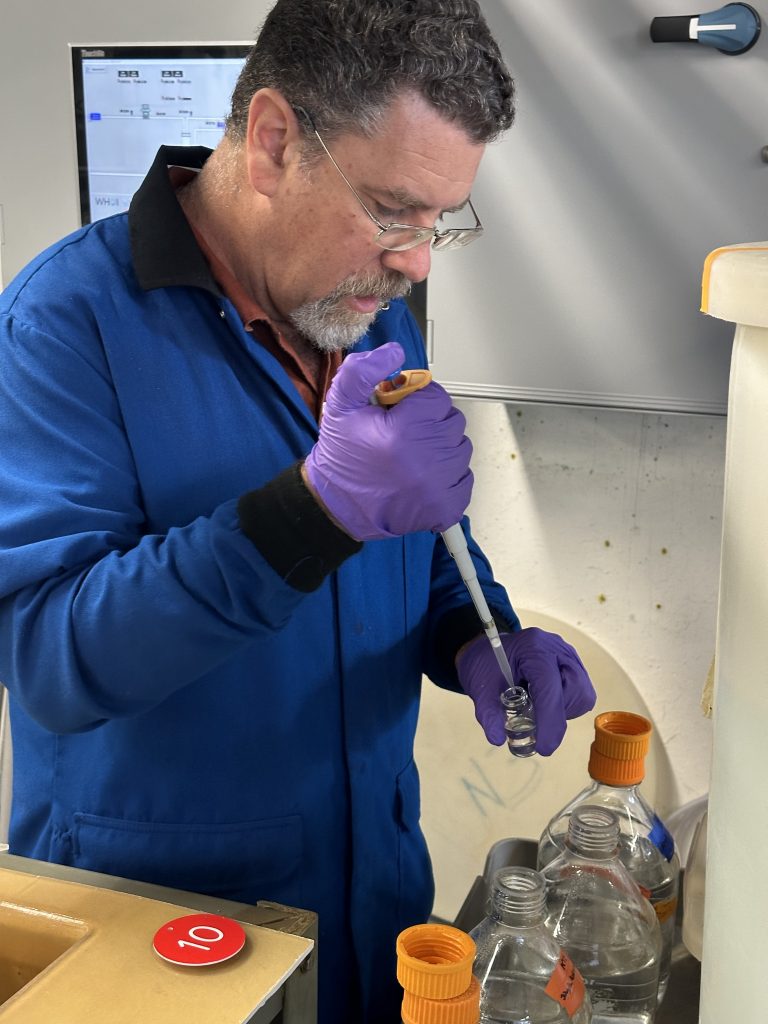
Innovative/Alternate (“I/A”) septic technologies, not yet widely used on Cape Cod, are designed to remove nutrients, like nitrogen, in addition to bacteria, and may also be able to reduce CECs. Researchers Jared Goldstone (Woods Hole Oceanographic Institution) and Helen Poynton (University of Massachusetts Boston) study how effectively these systems prevent CECs from reaching coastal watersheds and how these contaminants affect the reproductive biology of blue and ribbed mussels. The scientists expose mussels to wastewater (effluent) from both traditional and I/A septic systems and assess any biological changes.
For this project, the research team works closely with the Massachusetts Alternative Septic Test Center, a nationally renowned organization known for testing new septic technologies. They plan to share their results to local community groups, Boards of Health, and town Select Boards.
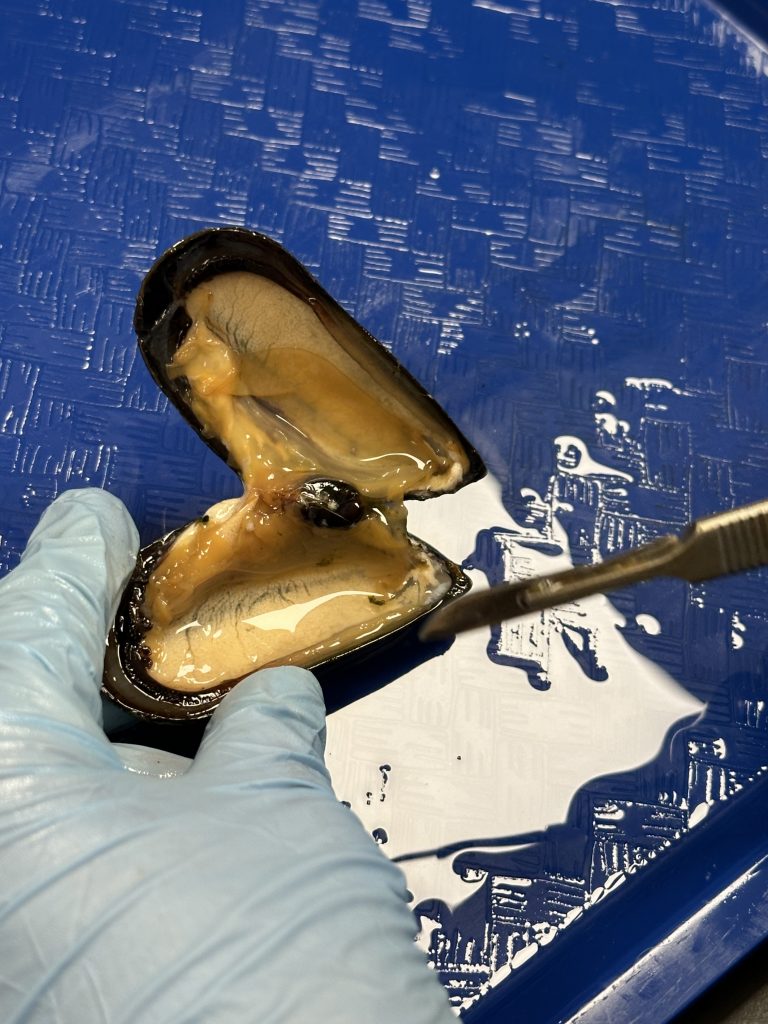
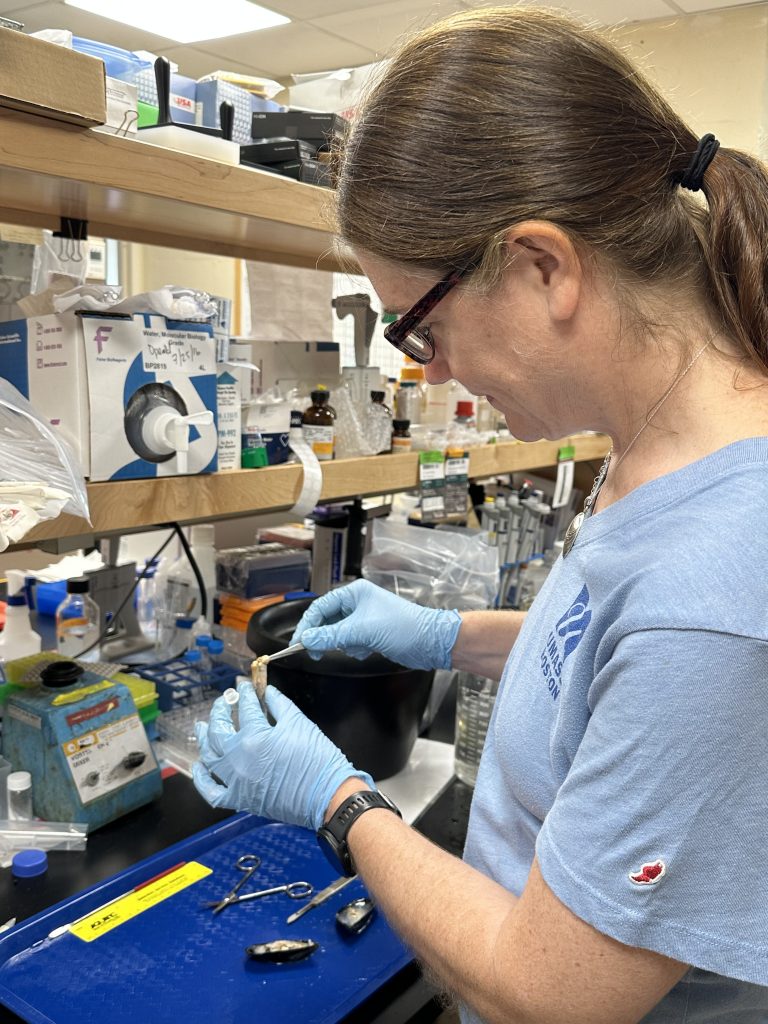
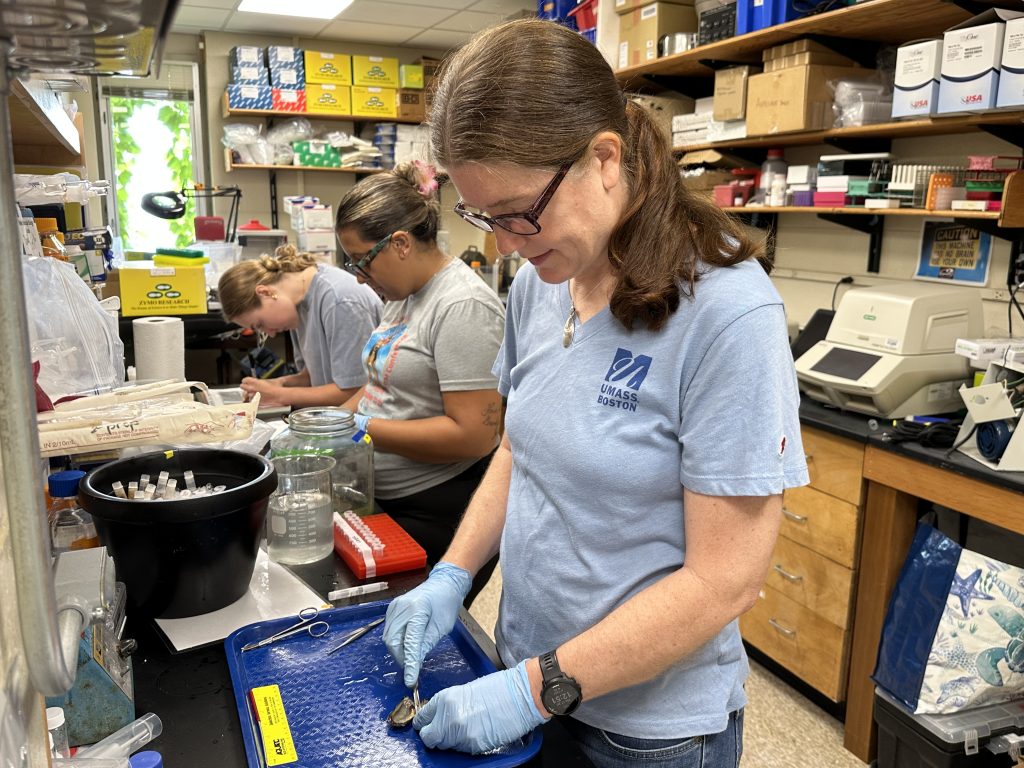
Presentations
"Evaluating Septic System Effects on Mussel Sex: How Do We Protect Coastal Species?"
Jed Goldstone and Helen Poynton presented their work to public audiences at the Waquoit Bay National Estuarine Research Reserve in the spring of 2026 as part of the Research at the Reserve series. Blue and ribbed mussels are keystone species of rocky intertidal and salt marsh ecosystems, respectively. Both species are affected by Contaminants of Emerging Concern (CECs) coming from septic systems. Their research focused on understanding what these effects are, and whether changes in septic system design can prevent these changes and preserve these species in coastal New England. Watch the recorded presentation on YouTube (below)!
Highlight from WHOI Sea Grant newsletter

Flushing Out Answers: Scientists Investigate Smarter Septic Systems for Cape Cod
- November 2025
Ever wonder where your shampoo goes after it swirls down the drain? Spoiler alert: if you live on Cape Cod, the answer could be your backyard-and your favorite swimming spot. One-third of all homes in Massachusetts rely on septic systems…
Publications
Project Information
Funded 2024 to 2025, under NOAA Sea Grant biennial call for proposals
Sea Grant Focus Areas