Search results for: Canadian%20Online%20Pharmacy%20%EF%BF%BD%EF%BF%BD%EF%BF%BD%20www.HealthMeds.online%20%EF%BF%BD%EF%BF%BD%EF%BF%BD%20Cialis%2020%20Mg%20Prix%20Canada%20-%20Cialis%20Generic%20Canada
WHSG Works With Growers On Butter Clam Growth Efforts
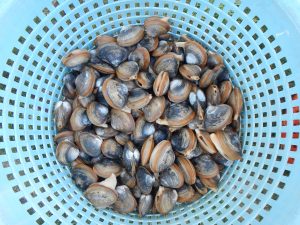
WHSG Project Explores Growth, Mortality of Surf Clam Species Atlantic surf clams, Spisula solidissima, are a type of clam common to the Atlantic coast from the Gulf of St. Lawrence to Cape Hatteras, NC. A subspecies also exists, the Southern surf clam, Spisula solidissima similis that ranges from the Gulf of Mexico to Massachusetts.…
Read MoreTeacher Workshop April 2002
Teacher Workshop April 2002 “Determining the Resistance of Marine Animals to Environmental Chemicals” Dr. Mark Hahn, WHOI, Biology Department Dr. Hahn’s major research interests include receptor-mediated mechanisms of toxicity, and means of adaptation and acquired resistance to exposure to persistent organic pollutants. This presentation centered on looking at toxins in the marine environment, particularly dioxins,…
Read MoreNorth to the Future: Alaskan sharks in a changing ocean
Tuesday, May 25, 3 pm ET/11 am AKT Cindy Tribuzio, NOAA Fisheries Alaska Fisheries Science Center in Juneau, AK, and Sabrina Garcia, Alaska Department of Fish and Game in Anchorage, AK Scientists at the Alaska Fisheries Science Center conduct research and assess the stocks of many species of sharks in Alaskan waters. Join us for…
Read MoreLesson Plans and Classroom Visits
Lesson Plans and Classroom Visits WHOI Sea Grant has developed a variety of classroom activities and lesson plans. The majority are within the COAST Program and all the classroom visits are based on COAST lessons. Visit the homepage for each lesson group to find out more. Coasts, Oceans, and Stewardship Program (COAST) WHOI Sea Grant…
Read MoreIs There a Market for Shucked Oysters?
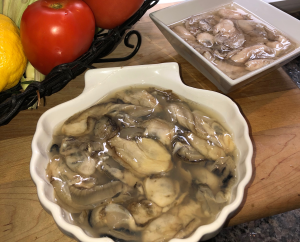
It’s no secret that we’ve got a lot of oysters on Cape Cod. With restaurants closing due to the COVID pandemic, oyster growers have lost their primary customers and many are left holding the bag on this year’s oyster harvest. In Massachusetts, more than 90 percent of oysters are eaten raw on the half-shell and…
Read MorePhysiological Smolt Characteristics of Anadromous and Non-anadromous Brook Trout (Salvelinus fontinalis) and Atlantic Salmon (Salmo salar)
Physiological Smolt Characteristics of Anadromous and Non-anadromous Brook Trout (Salvelinus fontinalis) and Atlantic Salmon (Salmo salar) McCormick, S.D., R.J. Naiman, and E.T. Montgomery Canadian Journal of Fisheries and Aquatic Sciences, Vol. 42, pp. 529-538, 1985 WHOI-R-85-003
Read MoreShoreline Resilience and Inlet Management
Shoreline Resilience and Inlet Management Principal Investigators Steve Elgar, Woods Hole Oceanographic Institution Britt Raubenheimer, Woods Hole Oceanographic Institution Summary Many coastal ponds on Cape Cod, Martha’s Vineyard, Nantucket, and mainland Massachusetts shorelines are drained intentionally (“breached”) to lower pond water levels that threaten homes and to promote healthy habitats. However, breaches often close before…
Read MoreClosing the Loop: Characterizing habitat requirements, movements, and life stage linkages of river herring in Massachusetts watersheds
Closing the Loop: Characterizing habitat requirements, movements, and life stage linkages of river herring in Massachusetts watersheds Principal Investigators Adrian Jordan, University of Massachusetts-Amherst Co-PIs Michelle Staudinger, U.S. Geological Survey Allison Roy, U.S. Geological Survey Summary Adult river herring are relatively well monitored as they migrate from the ocean to freshwater spawning ponds in the…
Read MoreAssessing the Seasonal and Storm-Impacted Transport and Biological Fate of Micro- and Nanoplastics Discharged from Wastewater Treatment Facilities into Massachusetts Coastal Waters
Assessing the Seasonal and Storm-Impacted Transport and Biological Fate of Micro- and Nanoplastics Discharged from Wastewater Treatment Facilities into Massachusetts Coastal Waters Principal Investigators Scott Gallager, Woods Hole Oceanographic Institution Jim Churchill, Woods Hole Oceanographic Institution Summary The project examines microplastic pollution from anthropogenic sources, focusing on waste water treatment facilities (WWTF) as most likely…
Read MoreMicroplastics in Coastal Marine Animals: Defining the problem
Microplastics in Coastal Marine Animals: Defining the problem Principal Investigators Jordan Pitt, Woods Hole Oceanographic Institution Mark Hahn, Woods Hole Oceanographic Institution Neel Aluru, Woods Hole Oceanographic Institution Summary The PIs will address the need for fundamental knowledge about the potential threat posed by microplastics and nanoplastics to commercially and ecologically important groups of shellfish…
Read More